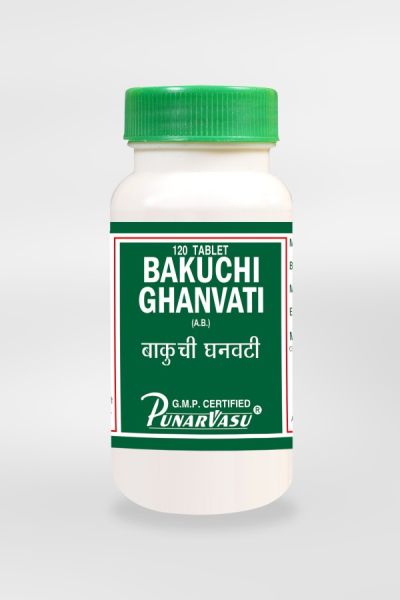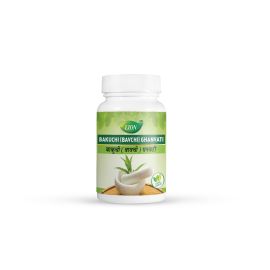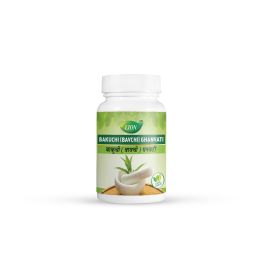
Bakuchi Ghanvati – 120 Tablets | Punarvasu | Herbal Support for Vitiligo (Leucoderma) & Skin Health

SKU
PNRVS#217
-6%
Special Price ₹150.00 was ₹160.00
Inclusive of all taxes
In stock
  • Pure Bakuchi (Psoralea corylifolia) extract tablets for leucoderma (vitiligo) and other skin disorders

  • Supports repigmentation of white patches and skin healing mechanisms

  • Antibacterial, antioxidant and anti-inflammatory actions to support skin health

  • Gentle internal herbal therapy; works best with complementary external treatment and physician guidance

  • Pack of 120 tablets — suitable for long courses required in skin disorders

Ships Worldwide to 220+ Countries & All India

Bakuchi Ghanvati by Punarvasu is a classical Ayurvedic single-herb formulation made from standardized extract and powder of Bakuchi (Psoralea corylifolia). Traditionally used for Shvitra (vitiligo), Kushta (various skin diseases) and other disorders involving loss of pigmentation, Bakuchi acts on the blood (rakta) and skin tissues to stimulate melanocyte activity and support gradual repigmentation when used under supervision.

Because pigment restoration is slow, Bakuchi Ghanvati is formulated for long-term internal therapy and is often used together with topical measures and controlled light exposure as advised by an Ayurvedic physician or dermatologist. Punarvasu’s formulation delivers concentrated Bakuchi extract in tablet form for consistent dosing.


Customer reviews & experiences

  • “After 8–10 weeks I noticed gradual repigmentation at the edges of small patches.” — verified customer (India)

  • “Used with topical Bakuchi oil and follow-up with my Ayurvedic doctor — patches are visibly smaller.” — international user

  • “Gentle on the stomach, better than other internal remedies I tried.” — customer feedback


Ayurvedic references — principles & dosha balancing

  • Classical use: Bakuchi is a recognized herb in classical Ayurvedic texts for Kushta and Shvitra (skin diseases and leucoderma). The Ayurvedic Pharmacopoeia includes Bakuchi for blood and skin disorders.

  • Rasa (taste): Katu (pungent), Tikta (bitter), Kashaya (astringent)

  • Guna (qualities): Laghu (light), Ruksha (dry)

  • Virya (potency): Ushna (hot)heating in action (corrected)

  • Vipaka (post-digestive taste): Katu (pungent)

  • Dosha action: Pacifies Kapha and Vata; may aggravate Pitta if used excessively because of its hot potency. This heating action is therapeutically useful in stimulating melanogenesis in Shvitra, but requires careful dosing and supervision.


Scientific researches (summary)

  • Bakuchi contains furanocoumarins (psoralens) and related compounds that can stimulate melanocyte activity and are mechanistically linked to repigmentation—this is the pharmacological basis for its traditional use in vitiligo.

  • The plant also contains anthraquinones and other phytochemicals with antibacterial, antioxidant, and anti-inflammatory properties that support skin healing.

  • Clinical and experimental research supports Bakuchi’s role in adjunctive therapy for repigmentation when combined with controlled phototherapy and physician supervision.


FAQs

Q1. How long before I see results?
A: Skin repigmentation is gradual; many users report initial changes after 6–12 weeks, with more visible improvement over several months when used consistently and with topical or light therapies.

Q2. Is Bakuchi Ghanvati enough alone to treat vitiligo?
A: Bakuchi is a strong internal support. Best results usually come from a combined approach: internal Bakuchi, topical therapies, controlled light/phototherapy and lifestyle/diet changes under medical supervision.

Q3. Can children use it?
A: Use only under a qualified practitioner’s guidance for children.

Q4. Is it safe to use with phototherapy?
A: Bakuchi’s active compounds can increase skin photosensitivity. Phototherapy should be done only under medical supervision and dosing must be coordinated.


Side effects — Who should avoid this product?

  • Possible gastric irritation or local skin photosensitivity in some patients.

  • Because Bakuchi is heating (ushna virya) it may aggravate Pitta in susceptible individuals — monitor for increased skin redness, heat, or acidity.

  • Avoid in pregnancy and lactation unless directed by a qualified physician.

  • Use with caution in patients on photosensitizing medications.

  • Overdose may cause gastrointestinal upset; follow recommended dosing.


Safety information

  • Use only as directed by a qualified Ayurvedic practitioner or dermatologist.

  • Avoid self-medication for complex skin disorders.

  • Do not combine with uncontrolled sun exposure — follow your physician’s guidance on safe phototherapy/light exposure.

  • If any adverse reaction occurs, discontinue and consult a physician.


Lifestyle recommendations for better results

  • Follow physician-prescribed controlled light exposure schedules if recommended.

  • Avoid foods and habits that aggravate Pitta (excess spicy, fried, alcohol).

  • Support skin health with a balanced diet rich in antioxidants (fresh fruits, leafy greens, amla).

  • Maintain good digestion (agni) — avoid heavy, oily foods which slow therapy.


Combination therapy suggestions

  • Topical Bakuchi oil or paste (external application) under supervision.

  • Combine with systemic Rasayanas or supportive herbs (e.g., Neem, Turmeric) as advised.

  • Coordinate with dermatology-administered phototherapy (PUVA/PUVASOL) only under clinical supervision.


Certifications & safety assurances

  • Manufactured by Punarvasu — standard herbal manufacturing practices applied.

  • Batch-tested for quality and purity (refer to product packaging for batch details and certifications).


Storage instructions

  • Store in a cool, dry place away from direct sunlight.

  • Keep container tightly closed; keep out of reach of children.


Shelf life / expiry date

  • Refer to the product packaging; typically 24–36 months from manufacture (confirm on label).


Comparison with modern medicine

  • Modern approaches for vitiligo include topical steroids, calcineurin inhibitors and phototherapy; these can be effective but may cause local side effects (skin thinning, irritation) or require specialist administration.

  • Bakuchi Ghanvati offers a natural internal approach that addresses systemic factors and supports repigmentation mechanisms, often used as an adjunct to conventional therapy — with fewer systemic side effects when used properly and monitored.


Ingredients table (responsive)

Sanskrit name Botanical name Key properties & actions
Bakuchi (Ghanvati) Psoralea corylifolia Stimulates melanocytes (psoralens), blood purifier, antimicrobial, anti-inflammatory; used in vitiligo and other skin disorders

(Punarvasu product is a standardized Bakuchi extract / powder formulation — check label for exact extract strength and excipients.)


Tags 

Bakuchi Ghanvati, Bakuchi tablets, Punarvasu Bakuchi, Psoralea corylifolia tablets, vitiligo Ayurvedic treatment, leucoderma remedy, Bakuchi for skin pigmentation, natural repigmentation tablets, Ayurvedic skin purifier, Bakuchi 120 tabs


Brand PUNARVASU
Customer Questions
No Questions
Please, mind that only logged in users can submit questions